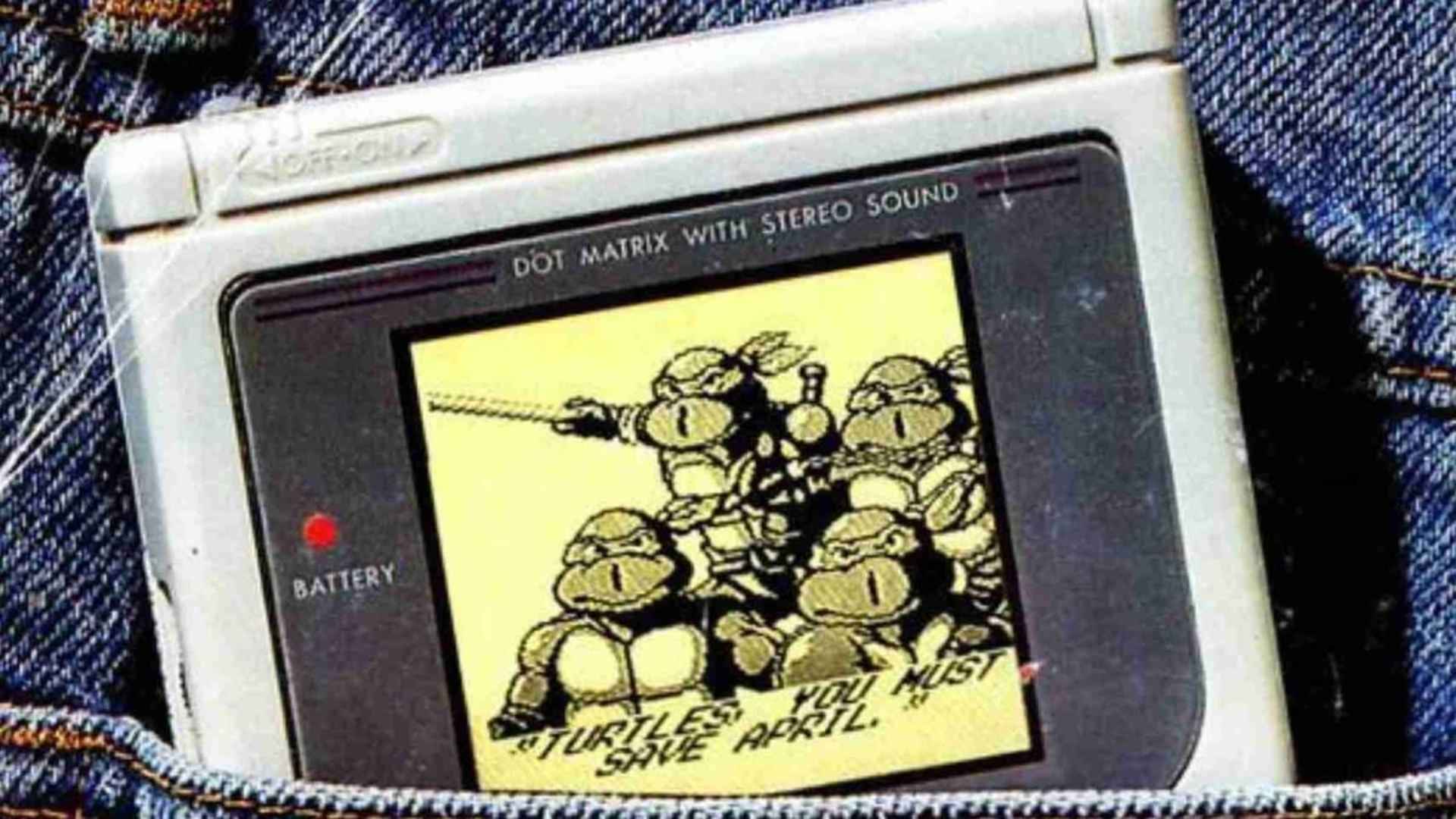
The mobile gaming landscape has shifted dramatically, moving far beyond simple microtransactions and linear pathways into a sophisticated realm that highly prizes lateral thinking. Today, millions of smartphone owners seek out immersive applications that actively challenge their cognitive adaptability and structural planning abilities. By presenting complex, open-ended scenarios, modern handheld titles provide an exceptional canvas for players who thrive on finding non-traditional solutions to intricate virtual obstacles.
The Evolution of Sandbox Logic and Freeform Building
Unlike traditional puzzle platforms that enforce a single predetermined route to success, modern sandbox applications allow for true intellectual freedom. Gamers must examine their immediate environments, synthesize available components, and construct unique systems to safely navigate environmental puzzles. This interactive methodology turns standard downtime into a practical exercise in engineering and spatial reasoning, ensuring that every victory feels deeply personal and intellectually earned.
As these digital environments grow more complex, the global community surrounding them has expanded significantly into collaborative hubs. Many analytical players frequently exchange structural blueprints and optimize their setups by consulting reputable media sources and community platforms like m88 mansion indo to discover fresh tactical perspectives. Engaging with these cooperative spaces helps individuals refine their strategic frameworks while connecting with other enthusiasts who share a passion for creative optimization.
Physics-Based Engineering and Dynamic Environments
Another rapidly growing sector includes mobile titles that utilize advanced real-time physics engines to simulate authentic physical limitations. Players are routinely tasked with building functional mechanisms, bridges, or transport vehicles using a restrictive pool of raw resources. Because these systems react dynamically to weight, velocity, and gravity, participants must constantly iterate on their designs through systematic trial and error.
This persistent loop of testing and adjustments fosters a resilient psychological approach to troubleshooting real-world issues. It teaches users to treat structural failure not as a definitive defeat, but as a crucial data point necessary for final optimization. Consequently, these mobile platforms are gaining considerable recognition from educational researchers who value interactive software as a legitimate supplement for developing spatial intelligence.
Narrative Flexibility and Tactical Choice
Beyond physical construction, many modern mobile role-playing and strategy applications integrate problem-solving directly into their core narrative progression. Instead of relying entirely on character statistics or rapid button inputs, victory often depends on subtle diplomatic negotiations, resource distribution, or exploiting environmental vulnerabilities. Choosing how to approach an overarching crisis allows players to express their individual analytical style without restriction.
Ultimately, the continuous rise of applications that value intellectual creativity marks an excellent milestone for the mobile ecosystem. They prove that portable devices are fully capable of delivering profound cognitive value alongside mainstream entertainment. As technology continues to improve, the opportunities for handheld software to stimulate creative lateral thinking will undoubtedly reach unprecedented heights.