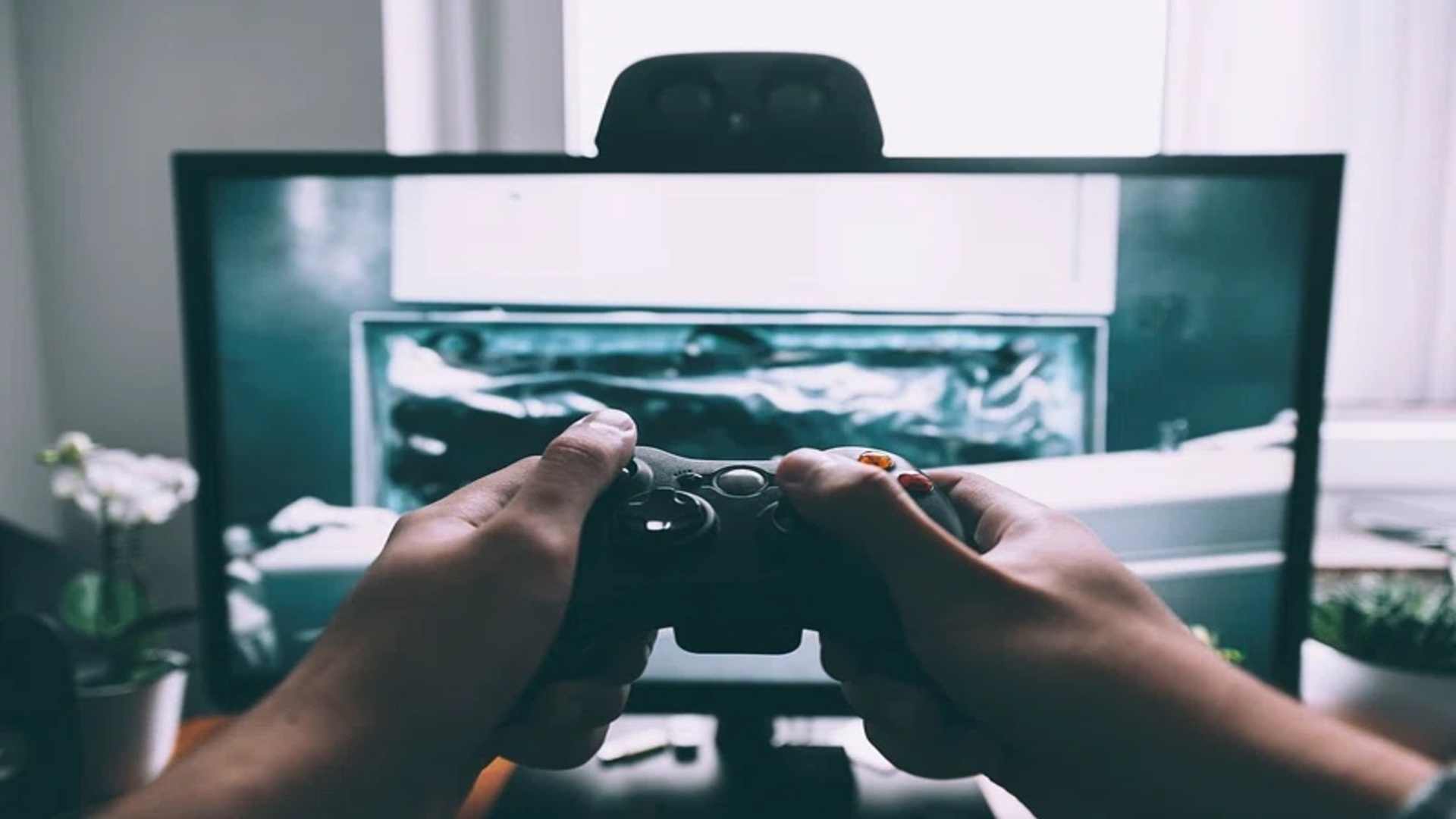
PlayStation 5 gamers may occasionally experience connectivity issues, input lag, or pairing failures with their DualSense controller. Performing a hard reset restores the gamepad to its original factory settings, effectively resolving software glitches without losing save data. Understanding the precise steps for resetting your controller helps maintain seamless gaming sessions.
When Should You Reset Your PS5 Controller
A factory reset becomes necessary when your DualSense controller fails to sync with the console, even when using a USB cable. It also helps fix persistent Bluetooth disconnects and input latency during intense gameplay. Performing this reset returns the firmware interface back to its initial state.
Before attempting a hardware reset, ensure that your PlayStation 5 software is updated to the latest version. Sometimes system updates address controller responsiveness issues directly. However, if connectivity problems persist, clearing the controller memory remains the standard troubleshooting solution.
How to Perform a Physical Hardware Reset
To begin the factory reset process, make sure your PlayStation 5 console is completely powered off. Locate the small reset hole on the back of the DualSense controller next to the Sony logo. You will need a small straightened paperclip or SIM card removal tool to reach the internal button.
Insert the paperclip into the reset hole and press down firmly on the recessed button. Hold the button down for roughly five to three seconds before releasing it. This action cuts power to the internal memory chip and clears saved Bluetooth pairing records.
Reconnecting the DualSense Controller to Your PS5
After completing the physical reset, connect the DualSense controller to your PS5 using the official USB-C cable. Turn on your PlayStation 5 console using the power button on the front panel. Once the console reaches the home screen, press the PS button on the center of your gamepad.
The light bar on the controller should pulse briefly before turning solid blue, confirming a successful link. If the gamepad pairs properly, you can disconnect the USB cable and continue playing wirelessly. This pairing sequence establishes a fresh encryption key between the device and console.
Troubleshooting Advanced Controller Issues
If resetting the controller does not fix responsiveness, test the device on a different console or PC setup. Hardware failure, such as damaged USB ports or depleted lithium battery cells, can cause similar symptoms. Ensuring clean connections often resolves power transfer problems quickly.
Maintaining your controller by keeping software updated prevents long-term synchronization issues. Following proper factory reset instructions protects your hardware while restoring optimal performance for your gaming setup.